KPOP Jacket Lady
KDrama and KPOP Concert Reviews, Travel Tips, Korean Recipes and more
The Birth Of Korean Cool. (Book Review.)
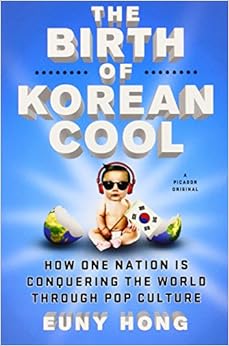
Many of us interested in the culture and history of S.Korea first look for books that are what some would call ‘quick reads’. We might have started out with a love of Korean Dramas, Kpop, or food, but then we quickly become intrigued by the people and place that created those things, however we’re not quite ready for academic level history books. This book, The Birth of Korean Cool by journalist and author Euny Hong, is a good choice for an insight into the last 35 years or so of Korean culture.
In some ways an autobiography as the first chapters describe her experiences in the Korea of the mid 1980’s right as Korea was beginning its rise into being one of the top 15 wealthiest countries in the world. ( After the Korean War 1950-53 Korea was in chaos and it took a while for businesses, industries, and government to get back on their feet. Progress began in the 1960’s with the early 1990’s seeing a huge leap forward.)
Euny Hong’s family moved to Gangnam in 1985 when much of its development had recently been completed. Starting in the late 1960’s/early 1970’s Gangnam was changed from a rural area to a new ‘city’ to help relieve the population pressure on Seoul. A product of new approaches to development it quickly became the place to live. Hong describes the pressures from living in a desirable and wealthy area as well as the difficulties of not being brought up in Korea.
Photo Source: City History Compilation Committee of Seoul showing Gangnam in 1969 towards Han river and the newly completed Hannam Bridge. Note all the farmland..jpg)
Each of her experiences, from an outsiders perspective, give us useful insights into Korean culture. Her school days were fraught with cultural differences that made it hard for her to fit in, yet she saw the nuances of thousands of years of heritage in action, and is able to relate them to us so that we can learn from them too. The stories she recounts from her school days help flesh out what I have seen in Kdramas set in schools, and help explain why so many Korean Variety shows have such harsh punishments.
Following the early chapters the book becomes less biographical and more about Korea itself, with details on the rise of Hallyu as well as businesses such as Samsung. With a reporter’s skill she expounds on some aspects of the Korean world view and future plans in a concise and easily understood way. Korea is definitely a country to watch, and not just from a Kdrama perspective.
Ms. Hong also delves into the psyche of Koreans themselves by trying to explain such things as the uniquely Korean concept of ‘Han’, their relationship with Japan, and how they view Koreans born outside of Korea.
At 267 pages in a paperback format this book really was a quick read for me. I have, however, returned to it a few times to re-read certain sections. The last chapter is somewhat dated due to the recent political difficulties of ex-president Park and the effects on the Korean economy, but nevertheless I would recommend this book for anyone who would like a quick overview of Korea’s rise, along with some insightful points on Kpop and the rise of the Hallyu Wave.

If you read it, let me know what you think in the comments below. Have a great day everyone.
You may also like Seoul, Megacity, Korean Tea, and Hwarang: The Flower Boys Of Silla.
Please do not copy or use without permission and accreditation.
Photo credits to original owners.
Best of Weekly Idol Random Play Dances.


Most Kpop fans already know about Weekly Idol, a Korean variety show begun in 2011 as a short term show that is now 6 years old. Filmed in a sub basement against a white background with minimal props, the show relies on the humor, personality, and talent of both the hosts and the guests. Even if you’re not a fan of Kpop you can still watch this show and end up laughing at some of the antics on screen.
The format of the show includes ‘corners’ where different activities, interviews, or games take place. Probably the most popular corner is Random Play Dance. This is when short segments of songs are played and the guests are expected to dance the choreography without mistakes. Usually the songs played are those of the guest group, but if the group is new, or without many songs to their credit, then songs from other artists might be played. If mistakes are made then the person making the mistake is punished in some way. Sometimes the person who made the mistake can talk their way out of the punishment , blame someone else, or try to cover it up.
In September 2016 Weekly Idol asked fans to rate the best of the Random Play Dances, with over 93,000 fans voting this was their ranking of the top 7 groups/soloists.
- BTS
- Infinite
- G-Friend
- Beast
- Girl’s Generation
- Teen Top
- IU
I don’t have any problem with this list as these were all great segments although I would rank them a little differently and add a few other groups….

BigBang. They are the Kings of Kpop and considering their mega successes, ranked in Forbes list of 30 under 30 celebrities, with earnings of over 44 million dollars last year, they went on Weekly Idol and had a blast. As a group they’ve never been the best dancers and it showed, but seeing them performing, cheating, and bickering together was fun, and TOP was his famous bingu self. (Please note that BigBang has released dozens of songs as a group, as sub-units, and as soloists so them not remembering the choreography was pretty much a given from the start.)

Teen Top. Famous for their self corrections of members mistakes that were so ‘enthusiastic’ the broadcasting company stepped it and said they weren’t allowed to play like that anymore. Classic Teen Top moves included flying kicks that would do credit to a martial arts movie. Always a go to watch after a really bad day.

BTS. In many ways this group is the best in that they are fantastic dancers performing difficult choreography, but I’ve put two groups ahead of them on my personal list because their ability to make me smile edges out ability. Not that BTS were perfect in their Random Play Dances or didn’t make me smile, they just are a little lower on my personal list. BTS are a force to be reckoned with and have 2 songs with over a million MV views on Youtube. I love watching them dance and do watch their dance practice MVs fairly frequently.
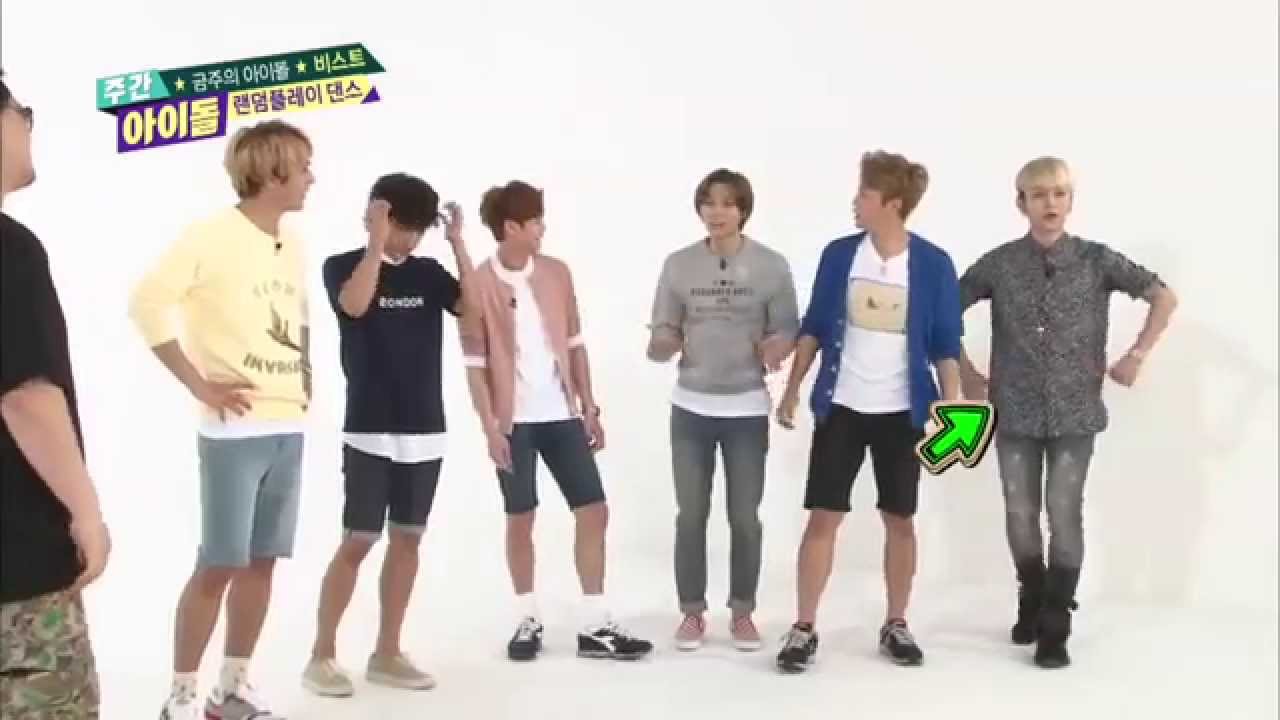
Beast. It is funny that some of the ‘best’ or favorite Random Play Dances are not the most perfect ones, but rather the ones with mistakes and funny moments. It seems every group has a ‘black hole’ who can’t remember the dance moves under pressure, yet we’ve seen them countless times in concerts and live music shows where they perform beautifully.
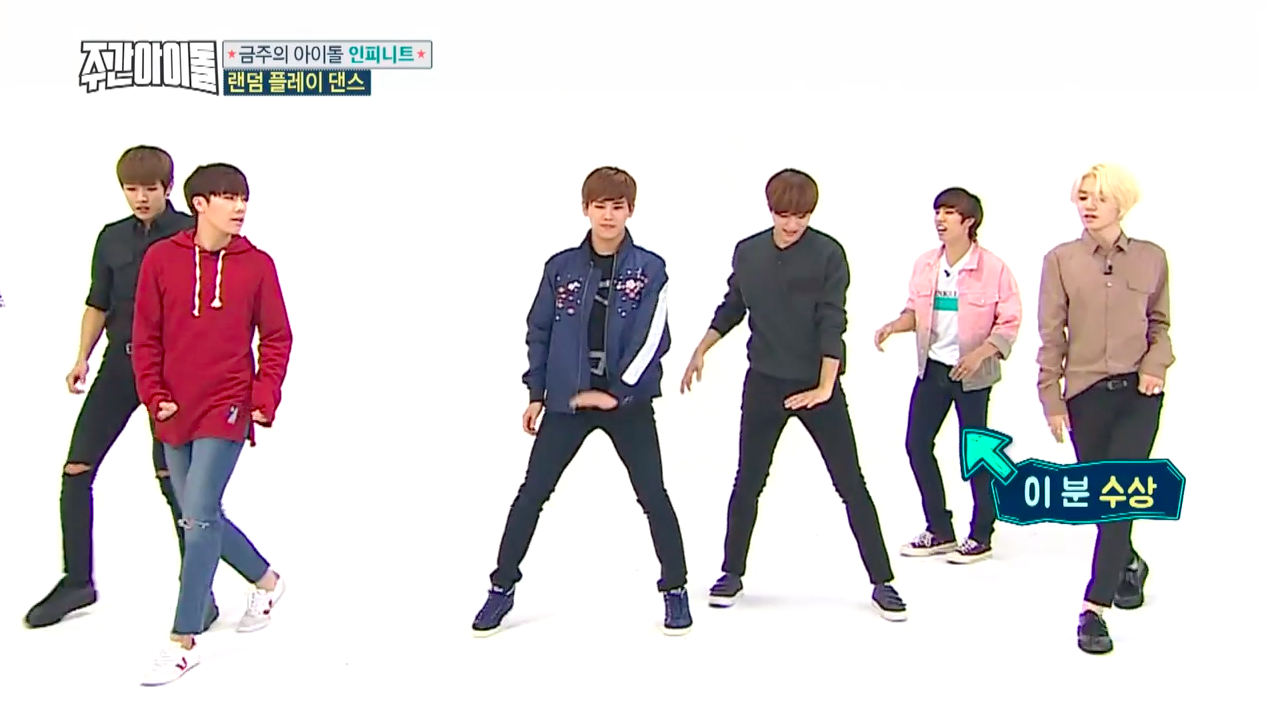
Infinite has been on Weekly Idol multiple times and their leader Sunggyu is not only a ‘black hole’ as a dancer, he is probably one of the most bullied group leaders in Kpop however it seems to be good-natured and it is always enjoyable watching them perform on the show.

Lee Hi is an unexpected addition to my list as it is often difficult for soloists to hold the full attention on a minimalist show such as Weekly Idol, especially as it was only her second ever variety show appearance. She was just so cute that I’ve put her on my list as everyone should just check out her episode. She also did well dancing to BigBang songs as well as her own during the Random Play Dance.
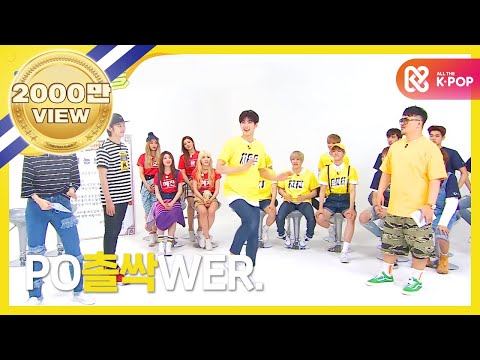
Super Rookies. An episode made to showcase rookie groups KNK, Astro, and 4Ten who did the Random Play Dance to a variety of popular Kpop songs. This one is on my list to showcase some newer talent, and because it was fun to watch.

EXO (and Seventeen) deserve a place on the list just because of the shear number of members within each group. Just trying to get everyone to the correct place before then can begin to dance is hard enough, let alone successfully dance the group choreography.

AKMU was another YG Entertainment group that appeared on Weekly Idol and did very well. It was nice seeing the sibling duo interact with each other. I especially enjoyed some of elder brother Lee Chanhyuks side-eyes at his sister. They were surprisingly fun to watch and Chanhyuk was great covering songs from other YG artists.

Got 7 is another group with multiple appearances who always make it fun to watch them. There are many unique and strong personalities within the group and they are all fairly competitive leading to enjoyable moments for the audience. The Random Play Dance actually gets harder the more songs you have released so it continues to be fun to watch each time this idol group appears on the show.

NCT 127 showed a good performance covering songs from other artists both male and female. I’ve included them as an ‘almost on the list’ as their dancing skills were very good.
There are so many other groups who have played Random Play Dance in a fun and entertaining way that this list could easily change from day to day. Do you have an all time favorite? If so please feel free to comment below.
Have fun watching Weekly Idol and have a great day everyone.
You may also enjoy Kpop: The 100 Million Club, Best Kpop Rookie Groups for 2016, Kdramas : My Picks for 2016, and Korean Variety Show Games, parts 1, 2, 3, and 4.
Please do not copy or use without permission and accreditation.
Photo credits to original owners.
Kpop: The 100 Million Club.
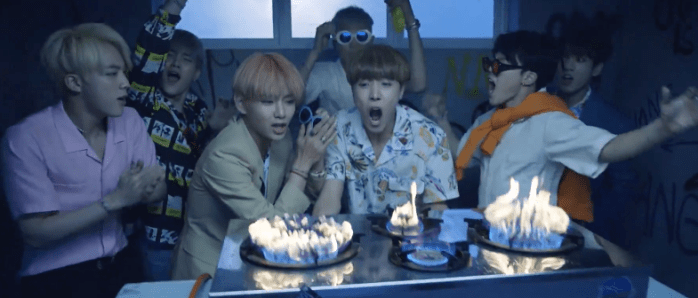
The number of Kpop groups who have exceeded the 100 million mark with MV views on Youtube is still relatively small, numbering around a dozen or so, but that number is growing faster than ever as Kpop becomes more and more popular. BTS just added Fire to the list. The leading artist is, of course, PSY who has two MV’s which have exceed a billion views. Edit. Since this article was written quite a few more groups have entered the 100 million club so please bear that in mind if you choose to continue reading. Thanks.)

Please note that these numbers are constantly changing. Topping the list with 2 songs with over a billion views is the first grouping, the next grouping is for those with over 200 million, with the last groupings being those with over 100 Million views.
- PSY. Gangnam Style. 2,745,023,569
- PSY Gentleman. 1,030,033,505

- PSY, featuring Hyuna. Gangnam Style. 671,069,138
- PSY Hangover. 281,984,911
- BigBang, Fantastic Baby. 271,259,690
- PSY, featuring CL. Daddy. 229,871,720
- BigBang. Bang, Bang, Bang. 203,274,150
- Girl’s Generation. I Got A Boy. 181,760,909
- Girl’s Generation. Gee. 175,804,972
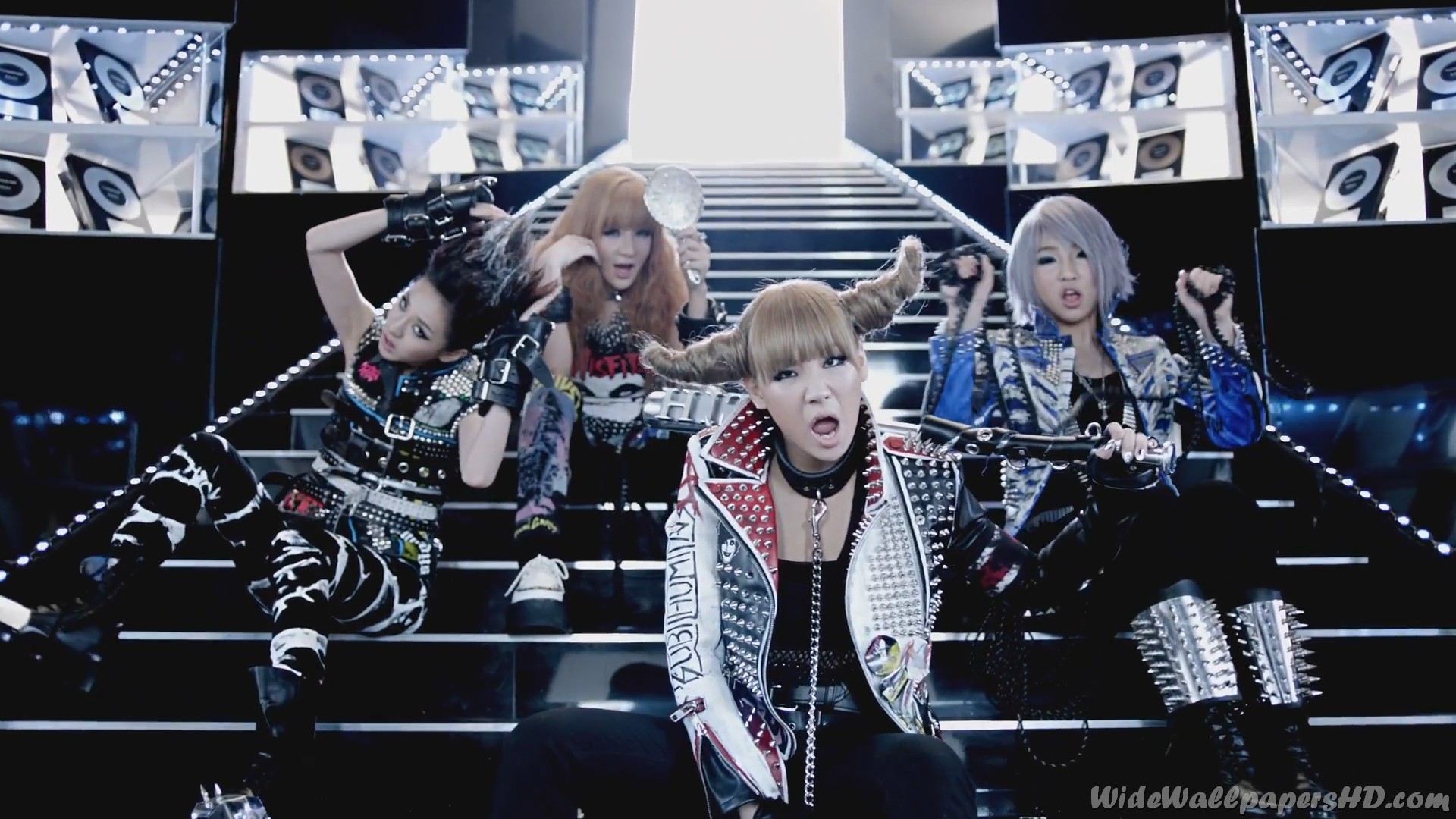
- 2NE1 I Am The Best. 170,295,893
- Girl’s Generation. The Boys. 154,816,974
- GD & Taeyang. Good Boy. 136,965,723
The next few all have fairly close numbers so their positions on the list could very easily change from day to day, especially for the more recent groups and songs.
- BTS Dope. 126,957,545
- Twice. Cheer Up. 126,473,283
- EXO Overdose. 126,094,007
- EXO. Growl. 123,672,114
- BigBang. Loser. 122,119,894
- EXO. Call Me Baby. 121,817,325
- Twice. Like OOH-AHH. 120,369,920
- Hyuna. Bubble Pop. 120,155,810
- Super Junior. Mr. Simple. 118,952,342
- Twice. TT. 118,737,791
- F(x), Electric Shock. 102,476,852
- BigBang. Bad Boy. 102,289,301
- BTS. Fire. 101,430,442
- Girl’s Generation. Oh. 101,368,107
- GD. Crooked. 100,147,522

EDIT, just days after I wrote this, Black Pink joined the 100 million club with Boombayah. 100,125,115. EDIT, Feb. 5th 2017 EXO Monster 100,017,153.
Remember these numbers and ranking are no more than a snapshot in time. I expect that within the week both BTS and Twice will greatly increase their views. Soon the mark to pass will be the 200 million mark as more and more groups reach the 100 million mark. Older groups such as Girl’s Generation and Super Junior will slip as newer, younger, fresher groups debut and gain fans and experience. BigBang may be an exception, particularly in the very near future, as a wave of nostalgia is sweeping through the VVIPs with TOP entering the military next month, but who knows what will happen long term.
The other thing to consider is that, are the songs/groups the best that Kpop has to offer, or are they just the most popular? I think that this listing is a fairly even listing of the two things. In my opinion some songs like Fire, Fantastic Baby, and Bang, Bang, Bang are popular, but also will be played for a long time because they are just so good.
- PSY, represented 5 times.
- BigBang, represented 4 times as full group.
- Girl’s Generation 4 times.
- EXO 3 times
- Twice 3 times.
- BTS 2 times.
- Hyuna 1, but also featured on Gangnam Style.1
- Super Junior 1
- 2NE1 1
- F(x) 1
- GD 1
- GD & Taeyang 1
- CL featured on 1
Considering that it is estimated that about 100 groups debut each year this list shows how few groups reach the very top, (admittedly using a fairly subjective marker.) Concert numbers, album sales, digital downloads, etc are probably better indicators, but I feel this does give a rough idea of group popularity. Also note that some artists ‘dilute’ their views by releasing more than one version of a song which means that they end up competing with themselves for views.
Have a great day everyone.
You may also like Best Kpop Rookie Groups For 2016, The Kings Of Kpop, and Return Of The 1990’s Kpop Groups.
Please do not copy or use without permission.
Photo credits to original owners.
Yongyeon Pond: In Photos.
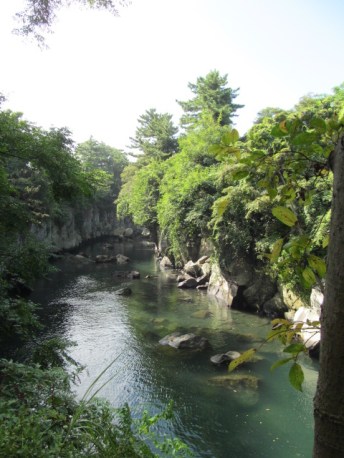
Jeju Island is well known for its stunning natural scenery being a World Heritage Site, and each year many foreign and domestic visitors head to the island for a vacation, or honeymoon in many cases. In the first 5 months of 2016 over 5 million tourists visited the island, with about 1 million of that number being foreign tourists. But not to worry there are still relatively tourist free areas where you can enjoy some peace and natural beauty. Yongyeon Pond is a small attraction that sometimes gets overlooked by the big tour groups, but is well worth a visit.


Don’t expect a pond as it is more like an inlet where the sea reaches in to where a river flows out. The two forces, plus the geology of the rock, have created a narrow waterway between tall rock walls which from certain angles look like a folded screen.


These walls proved irresistible to young scholars of the Joseon Dynasty and you can see some beautiful carved writings on the rock walls. If you want to see these up close you can rent a kayak and paddle up the waterway, just as those young men once floated on boats, drinking, enjoying the full moon, and leaving behind their thoughts on the walls. (Obviously graffiti of any kind is totally forbidden nowadays.)
I didn’t get to see it, but seeing the area under the light of the full moon is meant to be very beautiful as the moonlight reflects off the walls and the water. A goal for a future visit perhaps.


There’s lovely bridge that crosses the inlet, just be aware that it is one of those bridges that rocks if people start jumping up and down on it!


A stunning little pavilion abuts the edge of the rock walls and gives super views down into the tree lined inlet, and walking paths and steps allow you to get closer views of the beautifully hued water below.

Yongyeon Pond has legends associating it with a dragon as do many water places in Korea as dragons are closely tied to waterfalls, ponds, and other watery places. One is just simply that it was a place a dragon bathed, another that is was where the envoy of the dragon was met.
Yongyeon Pond is close to Yongduam, or Dragon Head rock, and also to an area where you are likely to see Jeju Islands famous Haenyeo, or lady divers, so combining them together for a visit can be a good idea.
Have a great day everyone.
You may also enjoy Yeomiji Botanic Gardens, Haedong Yonggungsa Temple, and Halle Arboretum.
Please do not copy or use without permission and accreditation. Photo credits to me.
Best Kpop Rookie Groups For 2016.



Back in July 2016 I wrote a post on the best rookie groups that had debuted in the first half of the year, but as we all know things can change extremely fast in the world of Kpop, so how did the groups I wrote about fare in the rest of the year? And who appeared in the second half of the year that would make my end of 2016 list?
One average about 100 idol groups debut each year with only a few truly succeeding in the harsh world of Kpop. Even considering some markers of success such as concert tours, awards, and MV viewership, when it comes to monetary success many groups can only dream. In the latest records from the Korean Government Tax office 4,587 people listed their occupation as singer, note not Kpop specific, just singer in general. The top 1%, or 45 singers, made an average of about 2.7 mil US dollars each a year which is pretty cool, except that is about 45% of what all the singers combined made. The top 10%, or 458 singers, made an average of about 1/2 a million US dollars each a year which is about 90% of what all singers combined made. This left the other 90% of singers with an average yearly income of less than 600 US dollars each a month to live on. This is less than the Korean minimum wage! No wonder that without the support of good entertainment company many singers/groups struggle to succeed. So any and all rookie groups could use some love and lots of fans.


From my earlier post, both Astro and KNK continued to do well in the second half of the year, but Astro clearly did better, with 3 album releases, two of which reached #6 on the Billboard World Album Chart, while KNK reached #14 once on the same chart. Both groups appeared on K. variety shows such as Weekly Idol, After School Club, Hello Counselor, etc but again Astro appeared on more. The same can be said for end of year awards, both received a number of nominations, but Astro received far more.
NCT project group had a decent showing with a variety of songs and lineups aimed at different markets. They ended up on multiple Billboard charts, but I still don’t like the feeling that the entertainment company is manipulating the fans. I did like some of the songs and performances, but doubt if I will ever be a true fan.
I don’t really follow girl groups, but I did mention Cosmic Girls as a rookie group that potentially could do well and they indeed have done so. They have received several newcomer awards and decent MV views for a rookie group. Their song Secret is at about 2.5 million views, but that pales in comparison to the appearance of the mega rookie group from YG Entertainment, Black Pink. Black Pink hit the Kpop world in August with Boombaya, (93 million views) and Whistle (73 million). They cemented their domination over all other rookie groups for 2016 with their second EP, with the songs Playing With Fire, (62 million) and Stay, (30 million). No doubt numerous end of year/ best of year awards will be forthcoming.

If it wasn’t for Black Pink, the packaged and produced concept group i.o.i might have been the top rookie female rookie group as they did well with views of over 21 million on each of their MVs. But I’m still not sure of whether some of these views were a result of the gimmick, or the true talent and abilities of the group. A deadline and knowing that they had a finite life may have done much to increase their popularity. I hope all the members go on to find success within new groups.

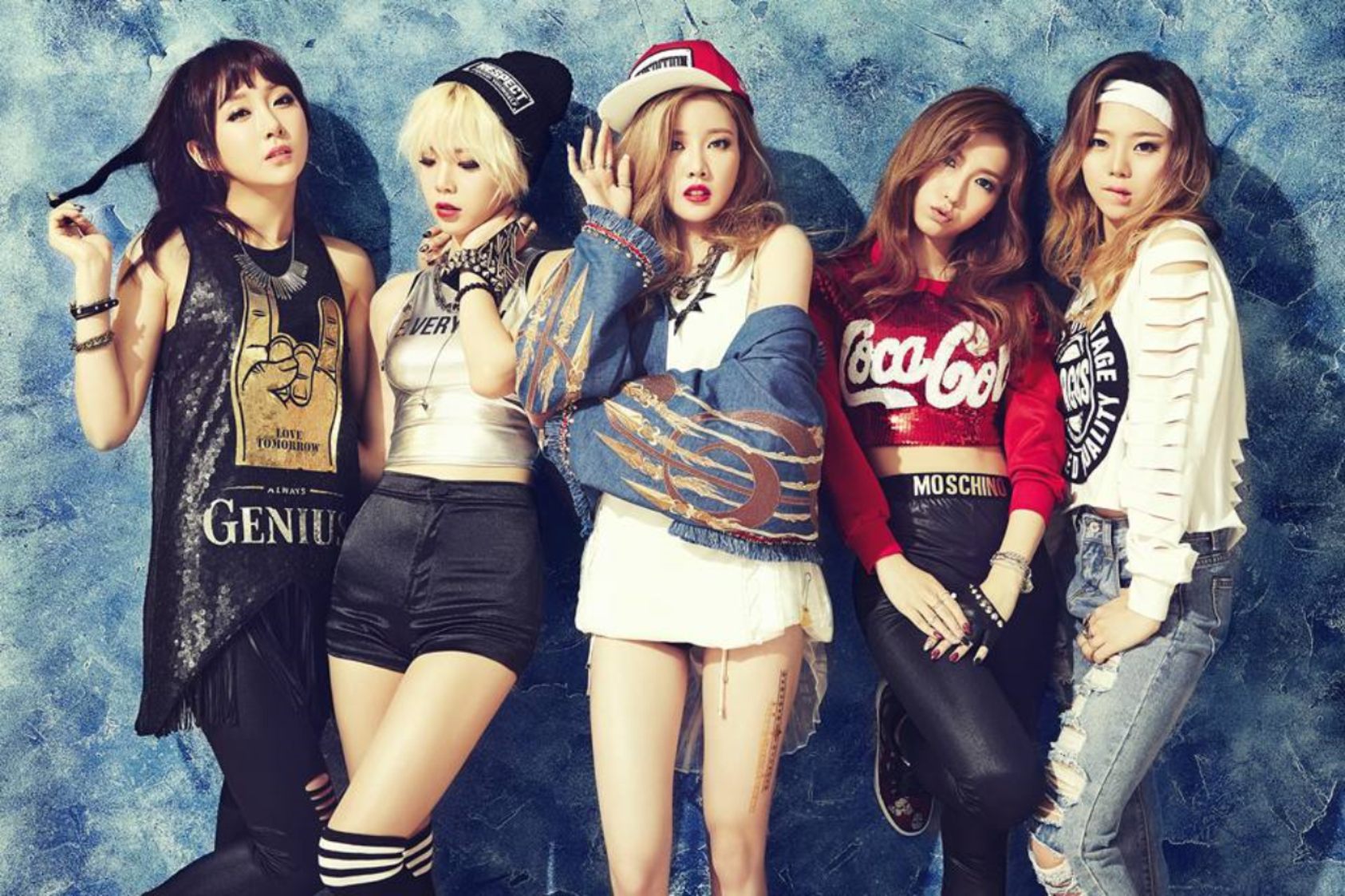
Bolbbalgan, with about 19 million views for Galaxy, is perhaps slightly more indie than Kpop but I think they are a duo to watch out for, and maybe Bulldok too, although I’m not too sure about them yet.

One of the nice things about 2016 was the debut of the mixed group K.A.R.D. with two boys and 2 girls. Historically mixed gender groups haven’t done very well, but it looks like K.A.R.D. might be out to change that. Their first song Oh! Nana has done reasonably well and I feel that the times might be right to add a bit more variety to the Kpop world.
Finally late in the year Pentagon, from Cube Entertainment, debuted with Gorilla and were one of the most viewed Kpop MV’s in the USA during their debut month of October. They went on to release Can You Feel It in December. With decent support and backing of their entertainment company they might manage to break out from the pack in 2017, but as I’ve said so many times talent isn’t always enough.
The top rookie groups for 2016 for me would have to be Black Pink, and Astro, but I feel there wasn’t as much stand out talent as perhaps there was in 2015, think Seventeen, Twice, iKon, MonstaX etc. Please support the rookie groups and I wonder how great a year 2017 will be.
Have a great day everyone.
You may also like Best Kpop Rookie Groups For The First Half of 2016, Kpop Musings, The Kings Of Kpop, and Return Of The 1990’s Kpop Groups.
Please do not copy or use without permission and accreditation.
Photo credits to original owners.
What’s Your Sign? Your Horoscope in Korea part 2.

 ( Updated for 2021, plus Part 1 can be found here. )
There are many websites online that will explain each year of the Chinese zodiac system, however some can be quite complex, so I’ve come up with simplified list for a few of the years that might be of interest to some of my readers. Korea, and some other Asian countries follow the Chinese zodiac system, as well as their local methods of fortune telling. The 60 year cycle that we are in right now began in 1984 so I’ll begin there too. The date in ( ) is when that year begins, so if you were born in 1984, but before Feb. 2nd then you would look up your sign under 1983. The age old Korean tradition of fortune telling by mudang, female shamans will be covered in another post.
- 1984 (Feb 02) – Rat/mouse – Green – Yang – Wood
- 1985 (Jan 22) – Ox/bull/cow – Green – Yin – Wood
- 1986 (Feb 09) – Tiger – Red – Yang – Fire
- 1987 (Jan 29) – Rabbit – Red – Yin -Fire
- 1988 (Feb 17) – Dragon – Brown – Yang – Earth
- 1989 (Feb 06) – Snake – Brown – Yin – Earth
- 1990 (Jan 27) – Horse – White – Yang – Metal
- 1991 (Feb 15) – Goat/sheep/ram -White – Yin – Metal
- 1992 (Feb 04) – Monkey – Black – Yang – Water
- 1993 (Jan 23) – Rooster/chicken – Black – Yin -Water
- 1994 (Feb 10) – Dog – Green – Yang – Wood
- 1995 (Jan 31) – Pig/boar – Green – Yin – Wood
- 1996 (Feb 19) – Rat/mouse – Red – Yang – Fire
- 1997 (Feb 07 – Ox/bull/cow – Red – Yin – Fire
- 1998 (Jan 28) – Tiger – Brown – Yang – Earth
- 1999 (Feb 16) – Rabbit – Brown – Yin – Earth
- 2000 (Feb 05) – Dragon – White – Yang -Metal
- 2001 (Jan 24) – Snake – White – Yin – Metal
- 2002 (Feb 12) – Horse – Black -Yang – Water
- 2003 (Feb 01) – Sheep – Black – Yin – Water
- 2004 (Jan 22 ) – Monkey – Green – Yang – Wood
- 2005 (Feb 09) – Rooster/chicken – Green – Yin – Wood
- 2006 (Jan 29) – Dog – Red – Yang – Fire
- 2007 (Feb 18) – Pig – Red – Yin – Fire
The five elements also have an impact on your personality/horoscope and each of them represents a planet and has a number of character attributes.
- Wood – Jupiter – Kindly
- Fire – Mars – Respectable
- Earth – Saturn – Honest
- Metal – Venus – Moral
- Water – Mercury – Wise

2017 was the year of the (Metal) Red Fire Chicken. Chicken not rooster because it was a Yin year. 2018 was the year of the (Earth) Brown Dog, (Male dog as it is a Yang year) and after Feb. 5th 2019 it was the year of the (Earth) Brown Pig, (well sow as it is a Yin year.) You might see ‘brown’ written as ‘golden’ for 2019, I guess it is more poetic.
2020 was the Year Of The Rat and it began January 25th 2020. It was a White, Yang, Metal year. If you were born in the Year of the Rat, like 1984 or 1996 according to Chinese beliefs, you might have needed to be cautious as your animal years are said to be unlucky. However, they also said that this year will be ‘normal’ with the usual ups and downs. ( I guess they didn’t see the pandemic coming.)
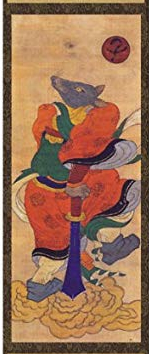
Chinese New Year doesn’t begin until February 12th 2021, and it will end on January 30th 2022. 2021is the year of the Ox/Buffalo/Cow. Although most places are saying Year of the Ox it a Yin year and so should really be cow, but in some places they do use female oxen so I’ll go with ox. (An ox is not a breed but designates that they are a draught type of bovine.) 2021 will be a Metal year. Recent ox years were 1985, 1997 and 2009.

You might want to also look at Your Horoscope in Korea? part 1 and Seollal: Korean New Year. Also note that astrology is not a science and different web sites contain different information, attributes and horoscopes. There’s also something called a Double Zodiac where people try to combine traditional Chinese astrology with Western astrology.
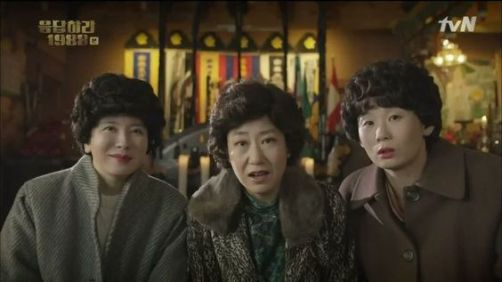
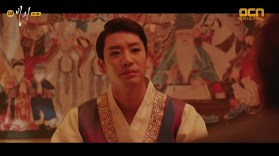
Astrology and various forms of fortune telling crop up in a lot of Kdramas, from Arang and the Magistrate, to Kill Me, Heal Me, Reply 1988, and Lucky Romance, along with many others. Although often used to aid plot development, or for comedic purposes, fortune telling appears in many dramas showing that both in TV land, as well as real life, fortune telling doesn’t appear to be fading away with modernization. In fact new phone apps for daily fortunes have become increasingly popular. Korean variety shows also use fortune tellers including those who read faces as well as those who use zodiacs and even tarot cards.
Have a great day everyone.
Please do not copy or use without permission and accreditation.
Photo credits to original owners.
You may also enjoy reading Sibijisin: The Twelve Guardian Deities of Korea.
Your Horoscope In Korea?

( Updated and revised for 2021 The Year Of The Ox. )

While many Koreans, especially the younger ones, know about the zodiac we use in the west, you know the one with Capricorn, Taurus etc. they are more likely to follow the Chinese horoscope. This is especially true if they were to get their fortune told. When asked about your ‘sign’ in Korea it may actually be less about your horoscope and more of a way to help judge your age, since the Chinese zodiac signs are based on year of birth not month. The age of people in a group setting is important so you can work out such things as the hierarchy within the group and who is actually your ‘chingu’. Your chingu is traditionally a friend with the same birth year, although nowadays some Koreans accept people within a year or so of their birth year as being a friend.

For most people this chart works out, but if you were born in January or February you need to check when the Chinese New Year fell the year you were born to accurately work out your sign. I was born in January so actually fall under the sign for the previous year. Astrology (a belief) is totally different from astronomy (a science). Although Chinese astrology has been around for thousands of years and uses a very complex system of calculations based on such things as the positions of the major planets, the sun, moon and comets as well as place and time of birth and zodiacal sign scientists do not consider it to be a science. For those who choose to believe in astrology there are still many people who are willing to tell your fortune and future both online and in person.
Chinese astrology is also connected to Chinese philosophy, the theory of 3 harmonies-heaven, earth, and water, as well as to the Yin and Yang duality of the Universe. Although many westerners see Yin and Yang as being opposites, in many ways they are complimentary to each other, with darkness v lightness for example, instead of thinking that they are opposite to each other try to appreciate that the dark makes the light feel lighter and light makes the dark seem darker, so together they are better than each is alone. Yin is the earth, female and passive, Yang the sun, male and aggressive. As an old saying goes, “for every advance there is a retreat, for every rise there is a fall.” This is a hard way for many to see life, that you need the bad to appreciate the good, but this is crucial to an understanding of much of Chinese philosophy.
In Korea many people still get their fortunes told before making big decisions like getting married, or making a financial or career choice. The 12 animals in the zodiac are guardian deities called Sibijisin or gods of the earth. You can see statues of these animal deities at many temples and historic sites throughout Korea, and people line up to take photos with their zodiacal animal.
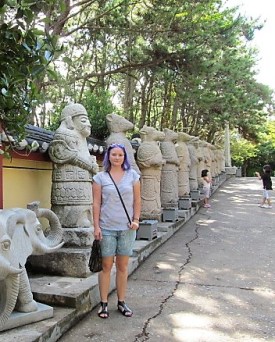
There are other methods of fortune telling in Korea, including some shamanistic ones, and even some introduced western ways such as Tarot card readings. I guess we all occasionally wish we knew what our future will be.
The Chinese zodiac of 12 earthly branches (the 12 animal signs) is only a part of a 60 year cycle, the current one of which began in 1984. The 60 year cycle is also broken down into 10 heavenly stems, so just knowing your animal sign is not enough for a proper fortune telling. The 12 animals are the Rat, Ox, Tiger, Rabbit, Dragon, Snake, Horse, Goat, Monkey, Rooster, Dog, and Pig. Sometimes, however, you will see them called slightly different things, such as Bull instead of Ox, or Chicken instead of Rooster. In the case of a Rooster becoming Chicken, or Ox becoming a Cow this can be because the year is a Yin, therefore female year. 2017 was the year of the Red Fire Chicken since it was a Yin year, it was also a ‘metal’ year.
The Year of the Dog, (Feb. 16th 2018 – Feb. 4th 2019) was an Earth and Yang year. For me this was a special year as an Earth Dog year only happens every 60 years and this was the second one for me. Unfortunately your birth animal years tend to be a bit unlucky as you are said to have offended the God of Age for living so long. For most people though a Dog year is a middling type of year, with both ups and downs.
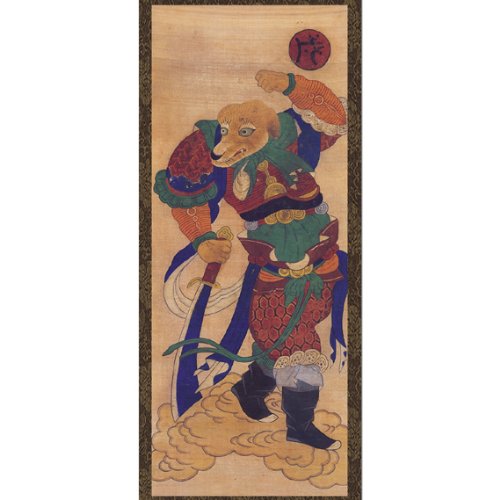
The 2019 year started on Feb. 5th and was The Year of the Pig. The pig is the 12th and last of the zodiac 12 year cycle. It was a Brown, Female, Earth, Pig year. I saw one writer describe it as a ‘dirty, muddy, pig year’. Others are called it the Golden Pig Year.

The year of your animal sign is usually unlucky so you may want to be extra careful in those years.
2020 was The Year of the Rat and ran from January 25th to February 11 2021. I have seen it alluded to as the year of the Mouse as some people think that is cuter than a rat. But rats are clever, social animals which is probably why they are included in the Chinese zodiac. This rat year was a yang, or male, year. It was also a white and a metal year, so these things needed to be taken into account.

2021 The Year of the Ox begins on February 12th and ends on January 30th 2022. It is a metal and Yin year, so maybe a metal cow is more appropriate. By all accounts 2021 will be a ‘year of hard work’ and we will all need the strong and dependable influence of the ox to see us through.
In a very general way each sign has certain attributes some of which are –
( ( ) = a Kpop star with that sign.)
- Rat. Clever, thrifty, and sociable. (Youngjae, Ten.)
- Ox. Stable and tolerant. Strong and dependable. (Jungkook)
- Tiger. Sensitive, passionate, and short tempered. (Siwon)
- Rabbit. A bit introverted and lucky. (Jay Park)
- Dragon. Ambitious and a risk taker. (G.Dragon)
- Snake. Keen, cunning and wise. (Onew)
- Horse. Skillful with money and good with hands. (Luhan)
- Goat/Ram. Elegant and dependable. (CL)
- Monkey. Erratic and skillful. (D.O)
- Rooster. Industrious and confident. (Mark)
- Dog. Loyal, stubborn and a good leader. (Kim Nam Joon)
- Pig/Boar. Chivalrous and a life long friend. (Kim Heechul)
But remember these attributes are also impacted by multiple other things such as if you were born in a metal, wood, water, fire, or earth year etc. I’ll post a chart for some years in part 2.
There are a couple of stories as to how the specific animals were chosen. The first is that Buddha invited all the animals in the world to come and visit him, but only 12 showed up. He decided to honor them by placing them in the zodiac in the order in which they arrived. The other popular story is that the 12 animals challenged each other to a race across a river. The Ox would have won, but secretly the rat had climbed up on his head, and just as the Ox was about to reach the other side the rat leaped to shore first thereby winning.
In Korean before the western method of time keeping, each day was broken down into 12 two hour segments. Each of these was named after a Sibijisin or guardian animal, as in the zodiac. So for example the time between 11 pm and 1 am was Jasi as it was believed the rat/mouse was most active at this time. Look for an upcoming post for more about the Sibijisin.
Have a great day everyone, and keep an eye out for future posts. Part 2 can be found here.
Photo credits to original owners. Zodiacs, Rooster, Rat, Ox and Dog from Pinterest.
Please do not copy or use without permission and accreditation.
You may also enjoy Beolcho: A Korean Tradition Of Maintaining Ancestral Grave Mounds.
Seollal: Korean New Year.

Updated December 2019.
It’s December 2019 and most of us are looking forward to the holidays. New Year is but a a couple of weeks away for those of us in the West who follow what is called the Gregorian calendar, but for much of the world their traditional New Year is still a month away. To keep the worlds of business and finance running smoothly most countries follow the Gregorian Calendar, but there are other major calendars out there that follow a lunar, or luna-solar calendar rather than a purely solar one. The big three are the traditional Chinese, Jewish, and Hindu calendars, although there are actually multiple Hindi calendars with different dates for their New Year. Due to the proximity and close historical interactions between Korea and China in the past, Korea mostly follows the Chinese calendar, and zodiac, for cultural and traditional purposes.

The beginnings of the Chinese calendar dates back thousands of years, with some people estimating that we are in the year 4715 of that calendar, although this is somewhat hard to definitively prove. However, it is undeniable that the Chinese calendar is of ancient origin with records of the Zhou Dynasty (1046 -256 BCE) showing their calendar to be fairly sophisticated and using aspects of both lunar (moon) phases and solar (sun) movements. Months began on the day of the ‘darkmoon’. Emperor Wu of the Han (141- 87 BCE ) introduced reforms to the earlier calendars and all Chinese calendars since then have been based off these reforms.The later reforms of the Ming Dynasty, (1368 -1644 CE) although not released until early Qing Dynasty, (1644 – 1912 CE) used new to them astronomical data which eventually allowed the calendar to adapt to different places in the world. Various calendar observances are now calculated in Korea using the Korean meridian (line of longitude ) not a Chinese one.
The Korean calendar, while based off the Chinese one, shows observances and festivals based on Korean culture and traditions. The Korean New Year Festival is called Seollal and often lasts 3 or more days. This year, 2020, the 24th, 25th and 27th of January are national holidays. Many Koreans try to return home to visit their families and Seollal is the busiest time of year to travel. Estimates say that 36 million Koreans traveled to visit their families in 2016, that is from a population of just over 50 million! Many shops, restaurants, and businesses close at this time and food prices tend to rise due to heavy demand. Theme parks and some attractions stay open, so be sure to check first if you’re traveling at this time of year. People even line up at train stations and online to get train tickets for the holidays as soon as they go on sale. It is like buying popular concert tickets that sell out very quickly. Korea has been celebrating Seollal as a holiday for many centuries, with Chinese records recording New Year festivities in ancient Silla.
The preparations can take a long time and can be expensive. A large number of ritual and traditional foods need to be prepared, and travel arrangements worked out. New clothes may need to be bought, and while not every family will wear hanboks, everyone will dress in nice, respectful clothing. Gifts are also given to certain family members and money envelopes to others. The first day of the ‘holiday’ is for preparation and travel, (New Year’s Eve.)

At midnight on New Year’s Eve the Bosingak Bell in Seoul is rung to welcome the new year. This ceremony has become so popular in recent years the closest subway station is temporarily closed for better crowd control.
On New Year’s Day morning families dress up and perform their ancestral rites, basically a ritual to show respect and gratitude to your ancestors. Also prayers are said for the well being and success of all the family members. This part of the holiday is slowly becoming less common and not all families do this. After the rites everyone gets together and shares the prepared food with tteok gu, rice cake soup being very traditional. At some point the younger members of the family will give their respects to the older family members by bowing and maybe giving them gifts. The older family members will give their best wishes for a good and prosperous new year and even hand out special money envelopes called sebaetdon to the youngsters.

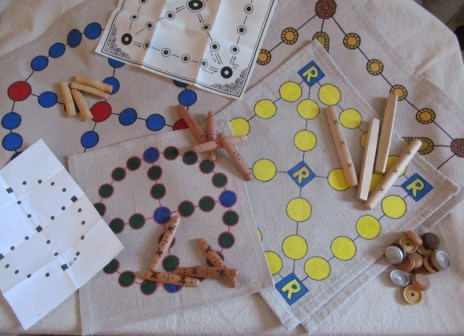
Over the course of the holiday many traditional games such as Yut and Jegi Chagi are often played and kite flying is also popular. If visiting a Folk Village or historic site neolltwigi, or see-saw jumping, and geune ttwigi, or rope swinging, were also traditional holiday pastimes. Families enjoy chatting, reminiscing, telling family stories and just spending quality multi-generational time together.
In 2020 Seollal falls on January 25th based on the Korean calendar and it marks day 1 of month 1. Other festivals such as Daeboreum, Dano, and Chuseok are determined by the tradition calendar. Dano falls on day 5 of month 5, while Chuseok is on the 15th day of month 8. While everyday life conforms to the Gregorian calendar it is nice to know that traditional and cultural events and festivals are continuing to be determined by the traditional calendar. (In the US the only ‘moving’ holiday is Thanksgiving which is always the 4th Thursday in November.)


2020 will be the year of the Rat. It will be a White, Yang, Metal, Rat year. It appears it will be a rather normal year for most people with the usual ups and downs. If you want to learn more about the Korean zodiac check here and here.
Have a great day everyone.
You may also enjoy Beolcho: A Korean Tradition Of Maintaining Ancestral Grave Mounds, and Your Horoscope In Korea.
All photo credits to original owners, map to BBC.com, seollal & bell photos to visitkorea.org, zodiac rats found on pinterest, and games and burial tombs photos to me.
Please do not copy or use without permission and accreditation.
K-dramas, My Picks For 2016.
Edit. 2016 has proven to have had some of the best Kdramas of the last 5 years. Check out which you missed and need to catch up on.

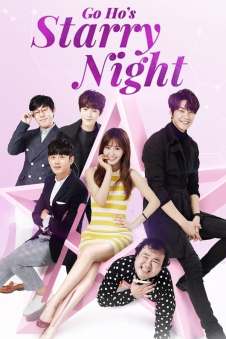
Back in October I wrote a post on The Best Korean Dramas (So Far This Year) and now that the year is finally at an end I feel I should review my early choices ( W-Two Worlds, and Go Ho Starry Night + more) and see if they hold up and make it to my best of 2016 list.
There were probably about 100 dramas, if not more, released in Korea in the past year so it is nigh on impossible for any one person to have seen them all. At the bottom of the page I have listed over 80, and of those I have watched about 37. I will point out while I made it all the way through most of those, with a couple I skipped some episodes, or lost interest part way through. I also tend to watch dramas of 20 episodes or less.

Sometimes I’m drawn to a drama in the first place because I like the actors or the story sounds cool, but if it doesn’t interest me, or hold my attention after a few episodes, then I move on to another. As you can see there’s no shortage of choices, although it does also depend on which online streaming services you use too, as sites such as Hulu and Amazon have limited choices. Netflix is improving their foreign content all the time, therefore right now my main ones are Netflix and Viki.
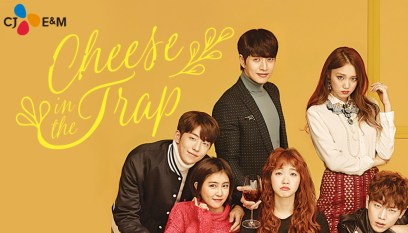
I had mixed feelings about Cheese in The Trap even going in, I mean why would I want to watch an inconsiderate jerk manipulate people? But surprisingly the heroine, Hong Seol, played by Kim Go Eun, drew me in, and as her feelings for Yoo Jung, played by Park Hae Jin, changed so did mine. I never fully liked Yoo Jung even at the end, but they understood each other and that is more than some Kdrama couples seem to do, so it did end up being here on my 2016 worth watching list.
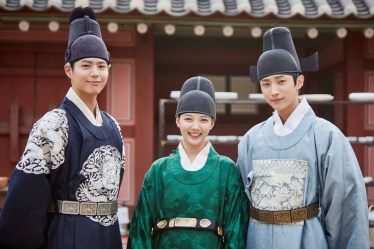
I love watching Park Bo Gum, not only is he good looking, he has one of the most expressive faces in Kdrama-land, so I had to watch Moonlight Drawn by Clouds. I did enjoy it for the most part, it had beautiful clothes, location and scenery plus some attractive lead actors/actresses, but it seemed a little slow at times and I kinda zoned out at times. Still it was pleasant enough to watch and I would recommend it.
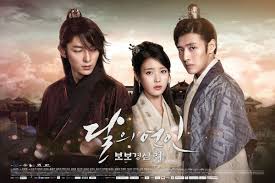
Moonlight Drawn By Clouds had stiff competition for a pretty boy period drama with Scarlet Heart: Ryeo which did indeed have a very attractive cast, however it was a more intense roller coaster ride of emotions.
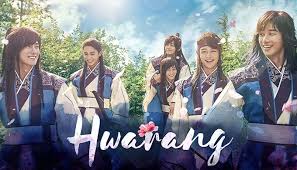
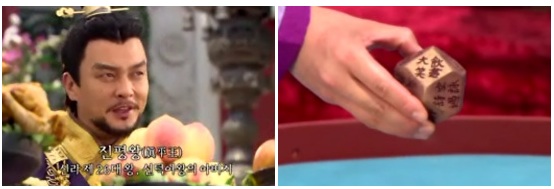
Hwarang: The Beginning arrived late in the year and soon gained a decent fan base, but I think it suffered a little for being basically the third ‘contender’ of the year. The fans of BTS whose member Kim Tae Hyung played the part of the youngest Hwarang increased its popularity overseas. I do, however, love that the lead actor plays with a unique 14 sided die called Juryeonggu, the original of which came from Silla. The choice between the three of the pretty boy period dramas is hard and I guess just boils down to personal preference.

Puck shows a different side of Lee Kwang Soo and was a good short drama to while away an afternoon.

Shopping King Louie was a pleasant surprise, for although it had a few cringe worthy moments, it also had some touching and sweet ones too. I have mixed feelings about Seo In Guk’s looks, I’m really not sure he is anywhere near as handsome as everyone says he is, but he definitely can create a character and act him out incredibly well. ( If you want to see him and Park Bo Gum in a different light try watching I Remember You aka Monster.) In Shopping King Louie his naivety and innocence shone through and helped me still like his character even when he was petulant and annoying.

I almost missed out on this one, ( The Man Living In Our House) which would have been a shame. It also goes under the title of Sweet Stranger And Me. The premise is silly, but this is Kdrama-land after all, and once you are willing to go along with it, the story had a few more twists than perhaps it would seem from first glance. Again an attractive cast with some decent character development. I liked that although one character did change, it was a partial change and therefore much more believable than in some Kdramas.

Weightlifting Fairy is currently on air so I haven’t seen all the episodes, but I like that a Kdrama is showing a slightly larger lead actress, (Kim Bok Joo gained about 20 pounds for the role) and is loosely based on a real person. So far it is engaging and looks like it will be an enjoyable show. Edit. I’ve just finished all the episodes and it just got better and better, I fell in love with the loving, natural relationship of the two main leads. It jumped into my top three choices of the year.
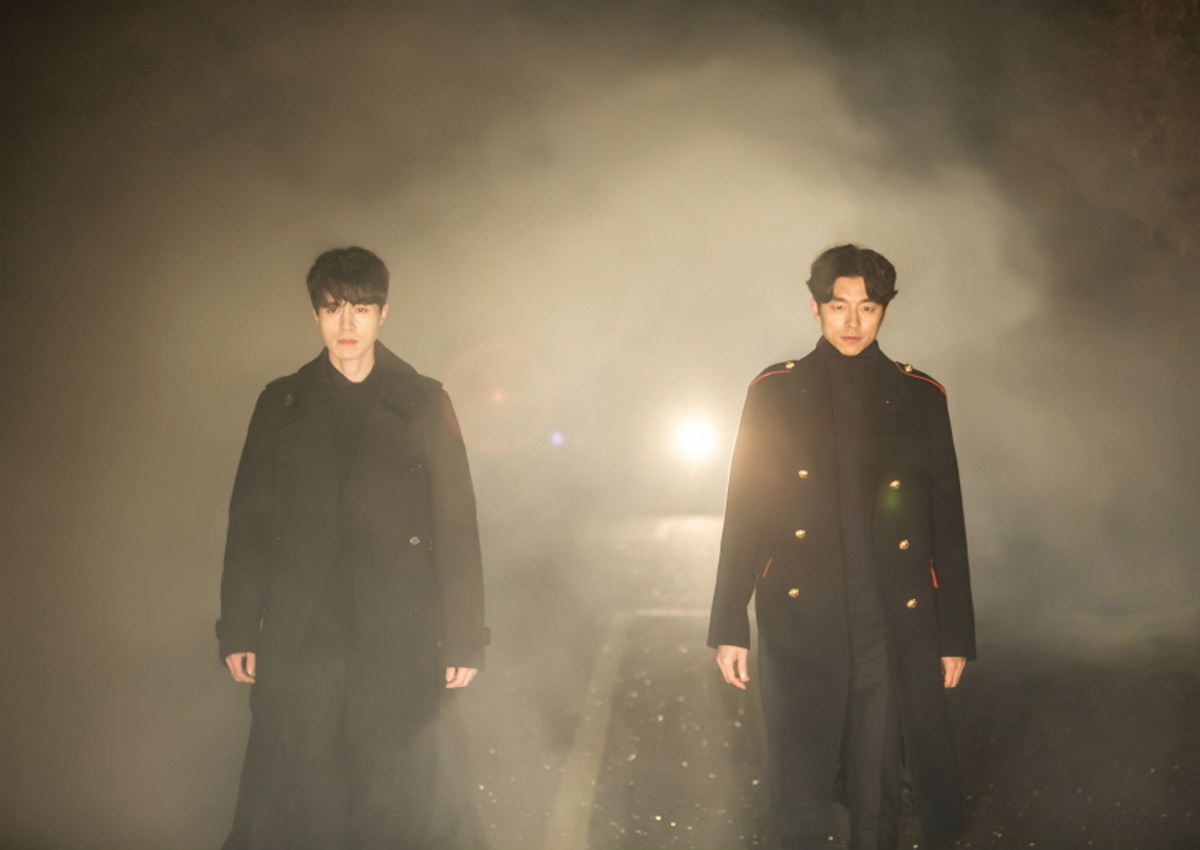
My favorite show so far this year, just edging out W-Two Worlds, has to be Goblin. Only half way through and each week I can’t wait for the next episode, which says something as usually I will let a few episodes stack up and then have a semi binge afternoon. Real men as lead actors, who have great chemistry and a budding bromance, a story line that seems straightforward, except that the cast of supernatural characters have differing goals and agendas which will no doubt lead to plot twists and turns. I’ve heard some criticism about Kim Go Eun’s character being too young, but I think I can understand the writers choice of her starting the drama as a girl and not a woman. She’s just young enough to still have the fearlessness of youth plus the naivety and unspoiled charm that might just jolt a 900 year man out of the routine of his life. I like her, and the other characters, so hope the drama ends up with a happy ending for everyone.
So if I were to recommend the kdramas of 2016 that I enjoyed most I think it would be Goblin first, followed by W-Two Worlds, and then Go Ho Starry Night, with a whole bunch of others in a tight grouping just behind them.

Below is a listing of 2016 K-dramas that I could find on various available online streaming services. I’m pretty sure this is in no way a complete list. Hope you find something good to watch, and you can let me know your favorites in the comments below.
- 38 Revenue Collection Unit.
- Age of Youth.
- Another Oh Hae Young.
- Answer Me 1988.
- Babysitter.
- Beautiful Gong Shin.
- Beautiful Mind.
- Baek-hee Has Returned.
- Bong Soon-A Cyborg In Love.
- Cheese In The Trap.
- Cinderella And The Four Knights.
- Click Your Heart.
- Choco Bank.
- Daebak.
- Dear My Friends.
- Descendants Of The Sun.
- Doctor Crush.
- Doctor Romantic.
- Drinking Solo.
- Entertainer.
- Falling For Innocence.
- Fantastic.
- Father I’ll Take Care Of You.
- Five Enough.
- Go Ho’s Starry Night.
- Goblin.
- Goodbye, Mr Black.
- Great Secret 25.
- Happy Home.
- Heaven’s Promise.
- Here Comes Love.
- Hwarang, The Beginning.
- I’m Sorry, Kang Nam-gu.
- Investigator Alice. Season 2.
- Jang Young Sil.
- Jealousy Incarnate.
- Laurel Tree Tailors.
- Legend Of The Blue Sea.
- Let’s Fight Ghost.
- Lucky Romance.
- Madame Antoine.
- Marriage Contract.
- Master – God of Noodles.
- Memory.
- Mirror Of The Witch.
- Monster.
- Moonlight Drawn By Clouds.
- Moorim School.
- Mrs. Cop 2.
- Ms. Temper & Nam Jong Gi.
- My Little Baby.
- My Son-In-law’s Woman.
- My Wife’s Having An Affair This Week.
- Mystery Freshman.
- Neighborhood Hero.
- Neighborhood Lawyer So Deul Ho.
- Nightmare Teacher.
- Oh My Gum Bi.
- On The Way To The Airport.
- One More Happy Ending.
- Our Gap Soon.
- Page Turner.
- Perfect Sense.
- Pied Piper.
- Please Come Back Mister.
- Puck.
- Scarlet Heart: Ryeo.
- Second To last Love.
- Shopping King Louie.
- Signal.
- Spark.
- The Flower In Prison.
- The Good Wife.
- The K2.
- The Man Living In Our House.
- The Sound Of Your Heart.
- Thumping Spike.
- Tomorrow Boy.
- Uncontrollably Fond.
- Vampire Detective.
- W-Two Worlds.
- Wanted.
- Weightlifting Fairy, Kim Bok-jo.
- Woman With A Suitcase.
- Women’s Secret.
- Yeah, That’s How It Is.
Have a great day everyone.
You may also like, Hwarang, The Flower Boys of Silla, Is it The Kdrama Actor, Goblin, Guardian, or God, Juryeonggu, and The Best Korean Dramas, (So Far This Year).
Photo credits to original owners.
Please do not copy or use without permission and accreditation.
Juryeonggu: A 14 Sided Die From The Golden Age Of Silla.

During an archaeological dig in 1975 a 14 sided die was uncovered in a pleasure pond used by royalty of the Unified Silla Period. (about 668 to 935 AD.) The wooden die was unusual in that not only were the sides made up of 6 square and 8 semi-triangular faces, but each face had Chinese characters incised into the surface, which when translated proved to be instructions for a drinking game! (Note that up until fairly recently Hanja, Chinese script, was used in S. Korea as well as Hangul, the Korean alphabet, which was invented in the 15th century, so finding a die with Chinese script does not mean it wasn’t a Korean die.)

The die was found in the city of Gyeongju which is also known as the most historic city in S.Korea due to the extensive number of historical remains. Many think of the city and surrounding area as being the most important cultural site in S. Korea, and it is the 3rd most visited tourist site after Seoul and Busan. Gyeongju was also important in the past and particularly during its’ ‘golden age’ (approx 600-800 AD) and was possibly one of the 5 largest cities in the world at that time. It had extensive trading ties, including to China and Japan, and was known to be a creative and vibrant city, with a wealthy and educated upper class.
And wealthy people often have leisure time which needs to be filled, with games being a perfect way to socialize and pass the time. Each of the sides of the die had penalties or tricks that one was to perform, EumJuGaMu (food,drink,song,dance) was an acceptable way to pass time, and it is supposed that the juryeonggu added a touch more luck and fun to the overall entertainment.


Korean drama fans may have seen replicas of this die show up in Sageuk such as in episode 6 of Queen Seondeok, and episode 1, and others, of Hwarang, The Flower Boys of Silla, but the really sad thing is that the original die they found in 1975 was destroyed while they were trying to preserve it. Only one has ever been found and it no longer exists. Hopefully another die will show up in future excavations, although wood tends only to survive long periods of time in anaerobic (oxygen free) conditions.

Fortunately photographs were taken before the die was destroyed which has enabled replicas to be made. I have heard that you can buy replica dice and even a paper make your own, but I haven’t found a source as yet. I’d love a slightly more modern one, as in written in Hangul, or even a blank one so I could write on it in English. If anyone finds a source for a replica die please let me know. EDIT. A Korean friend found a hand made replica pair, one with original script, the other blank so I can have instructions in English engraved into it. Thanks Ken.
One of the replica dice is shown above, but I can’t find out if they used these colors because they found traces on the original die, or if it was artistic licence. This one is now in the National Museum of Korea.
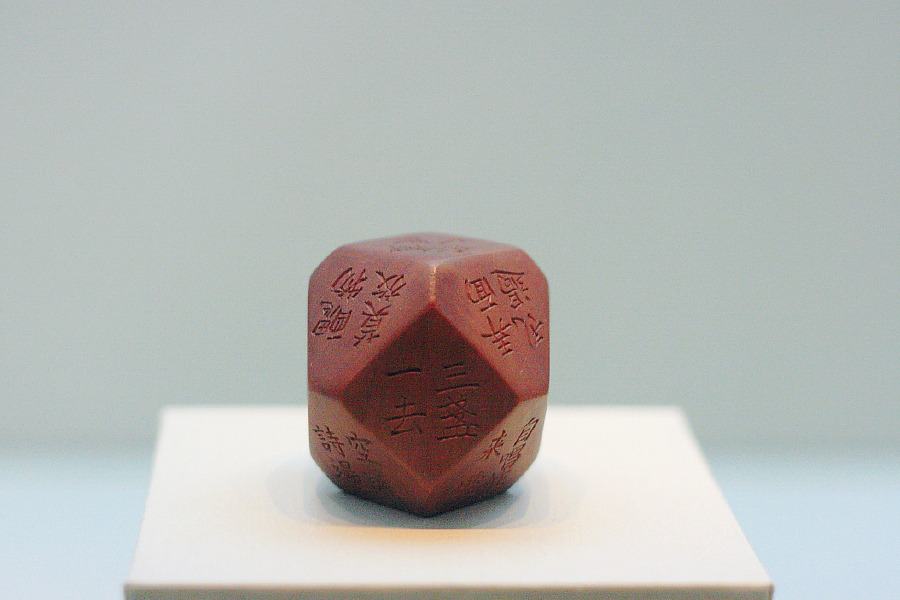
This replica can be seen in the National Gyeongju Museum and I think looks closer to the photograph taken of the original before it was accidentally destroyed, but with the original photos being in black and white it is hard to be sure.
I have since found a partial description that said it was black lacquer over hardwood oak, so maybe the black replica is more accurate? One report says it was 5.5 cm x 4 cm but I’m not sure if that is accurate as that seems small compared to what they show on the dramas and they must have based their version off of some information. I would love to see the original report on the die available in translation to see what it said about the die itself.

The juryeonggu shape is so famous in Gyeongju that lanterns are made in the same shape, as are bread snacks.
If I happen to find a source for buying replica juryeonggu I will post it here, until then I may try and find a blank die in another shape and create my own drinking game.
Have a great day everyone.
Photo credits to original owners. National Museum of Korea. Gyeongju National Museum.
Please do not copy or use without permission and accreditation.
You may also like Yut, Alkkagi, Jegi Chagi, and Hwarang, The Flower Boys of Silla.
 KPOP Jacket Lady